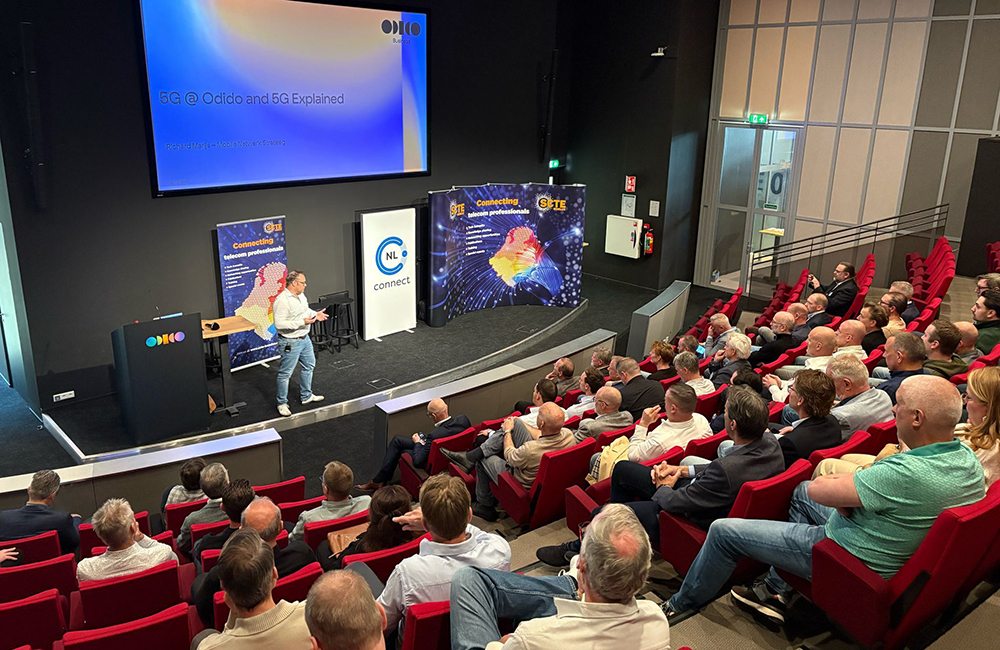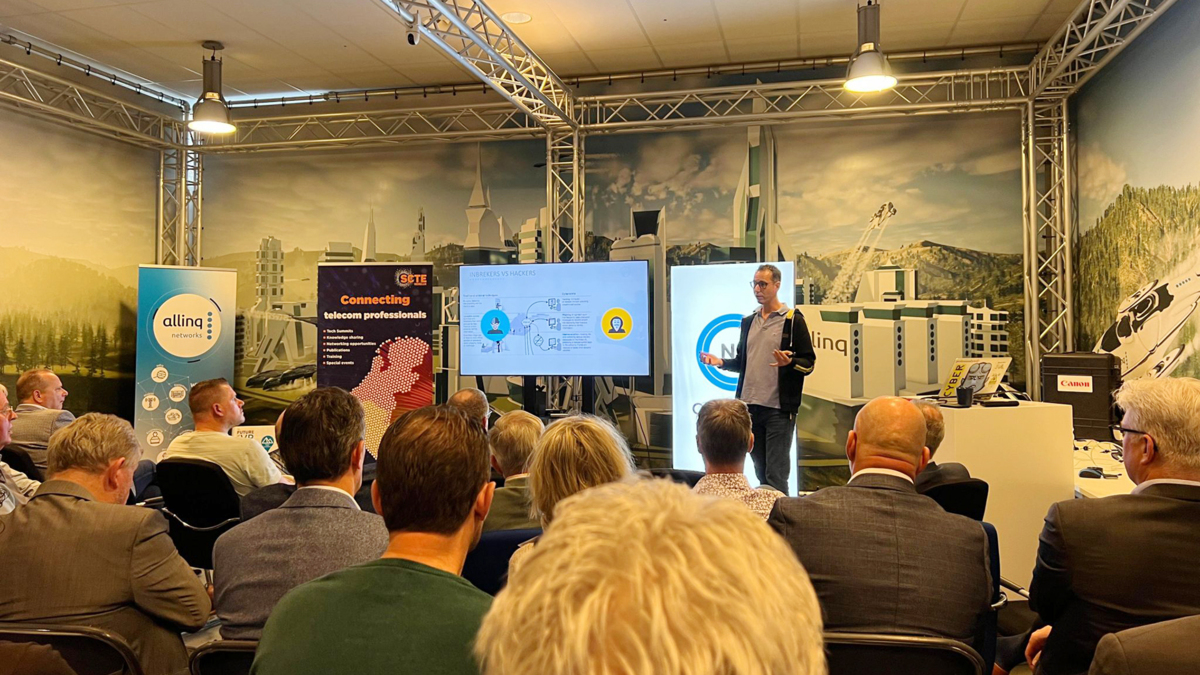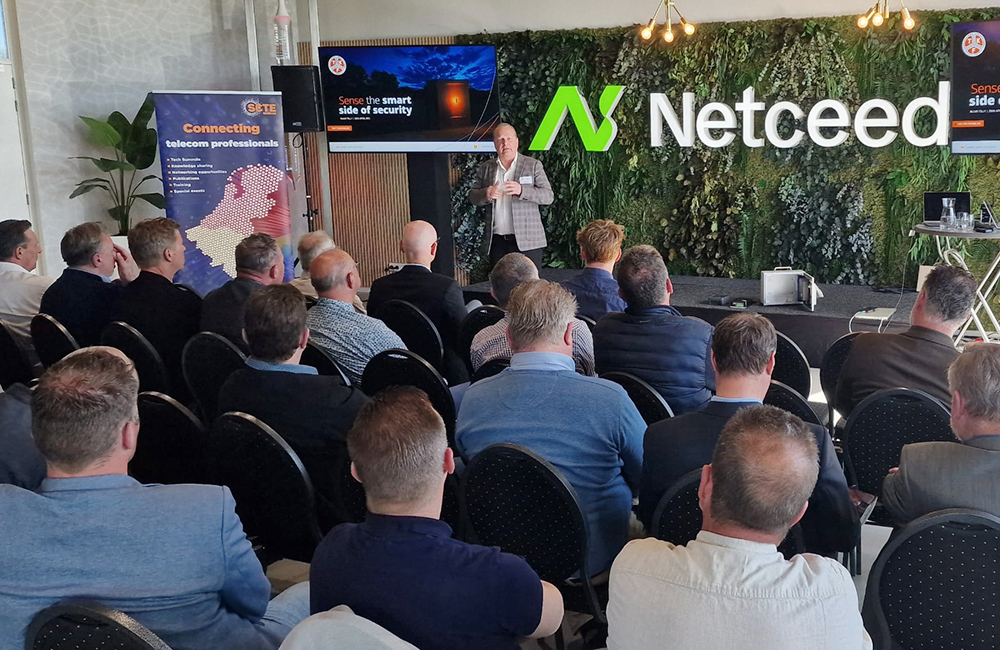
Today’s digital infrastructure is stronger – and more vulnerable – than ever before. How can we ensure that every link – from deployment to security – remains resilient in a world full of emerging threats? This question was central to the Spring TechSummit of SCTE Benelux and partner organisation NLconnect.
The event began with an extensive tour of the Technetix lab, where participants were given a behind-the-scenes look into the world of high-quality broadband research. The focus was on sustainable design principles and innovative testing methods that help reduce the environmental footprint of digital infrastructure.
In the main programme, three speakers shared their views on enhancing sustainability within the telecom sector. Deniz Dincer (TKF) opened with an explanation of the use of Life Cycle Assessment (LCA). According to Dincer, LCA is much more than a calculation method: it is an accelerator for sustainable choices in R&D processes and product development.
Jan Ariesen of host organisation Technetix then demonstrated how technological innovation can directly contribute to more efficient and energy-saving broadband solutions. From smarter use of materials to advanced engineering, small optimisations can have a major impact on energy savings, Ariesen emphasised.
Finally, Olivier van Duuren (Genexis) addressed the role of circularity in the product chain. He highlighted that sustainable design choices—such as modular constructions and material reduction—not only reduce CO₂ emissions but also extend product lifetimes.
The afternoon concluded with networking drinks, providing attendees ample opportunity to exchange experiences and look ahead to future steps toward a greener telecom sector.
The conclusion of this edition was clear: innovation and sustainability are not opposites but reinforce one another—a message that is increasingly resonating across the industry.